

Procurement vs Sourcing: What is the Difference?

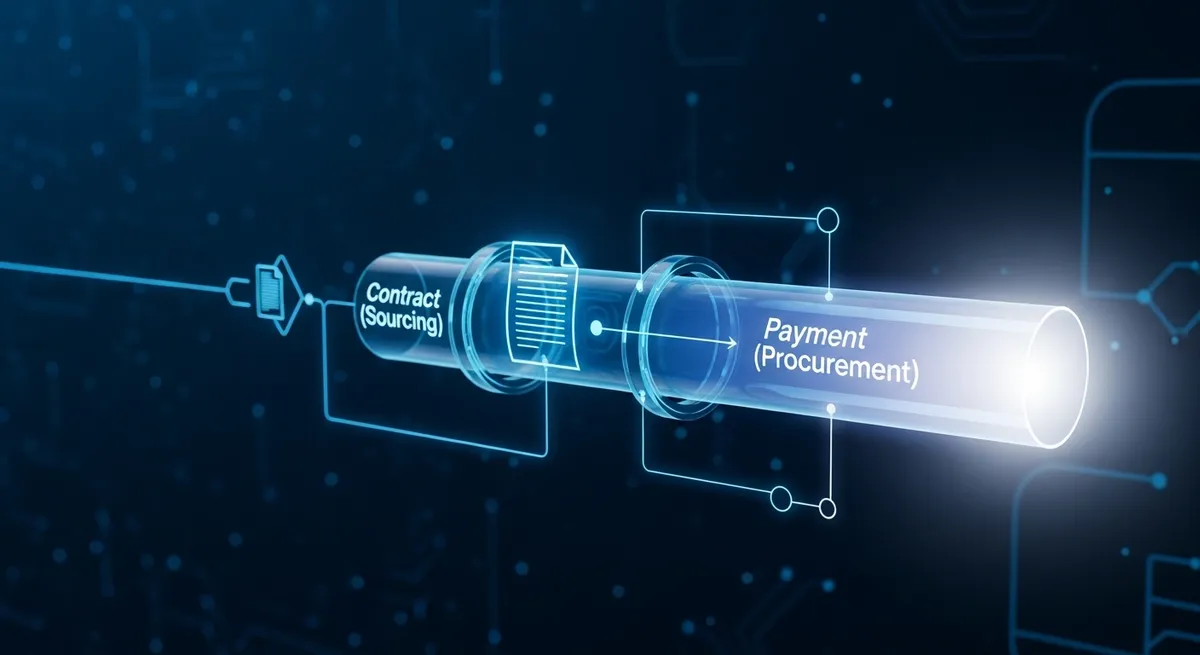
Table of Contents
Procurement vs. Sourcing: Understanding the Key Differences for SMEs
In the world of business operations, the terms “sourcing” and “procurement” are often used interchangeably. You might hear a founder say they need to “source a new CRM” or “procure some office supplies.”
While they are two sides of the same coin, treating them as the same process is a mistake. For Small and Medium Enterprises (SMEs) looking to scale, understanding the distinction between the strategic act of sourcing and the broader function of procurement is the key to controlling costs and ensuring operational efficiency.
This guide breaks down the specific differences, why they matter, and how to manage the handoff between them.
The Short Answer: Strategic vs. Transactional
If you need a quick definition:
-
Sourcing is the strategic process of finding, vetting, and negotiating with suppliers to get the best value. It happens before a contract is signed.
-
Procurement is the comprehensive function that encompasses sourcing but extends into the transactional cycle of acquiring goods, managing invoices, and making payments.
Think of it this way: Sourcing is about selecting the right partner. Procurement is about managing that relationship and the transactions that follow.
What is Sourcing?
Sourcing is focused on the “upstream” activities of the supply chain. It is heavily research-based and centers on strategy, cost analysis, and risk assessment. The goal of sourcing is to secure the best possible goods or services at the most favorable terms.
Key Sourcing Activities:
-
Market Research: Analyzing the supply market to understand pricing trends and availability.
-
Vendor Assessment: Using tools like the Kraljic Matrix to segment suppliers based on risk and profitability.
-
Tendering (RFI/RFP): Sending out Requests for Information or Proposals to potential vendors.
-
Evaluation: Scoring vendors based on quality, price, and compliance. (See: How to create a weighted supplier selection matrix).
-
Contract Negotiation: Finalizing terms, pricing, and Service Level Agreements (SLAs).
Sourcing ends once the contract is signed and the vendor is selected.
What is Procurement?
Procurement is the umbrella term that covers the entire “Procure-to-Pay” (P2P) lifecycle. While it includes sourcing, when people contrast the two, they are usually referring to the operational procurement activities; the actual execution of buying.
Key Procurement Activities:
-
Requisitioning: Internal teams formally requesting goods or services.
-
Purchase Orders (PO): Creating and sending official orders to suppliers.
-
Goods Receipt: Verifying that the delivered goods or services match the order.
-
Invoice Processing: Three-way matching (PO vs. Receipt vs. Invoice) to prevent overpayment.
-
Payment: executing the financial transaction.
-
Record Keeping: Maintaining audit trails for year-end closing.
For a deeper dive into the full scope, read our Ultimate Guide to the Vendor Management Lifecycle.
Sourcing vs. Procurement: A Side-by-Side Comparison
To visualize the differences, here is how the two functions stack up against each other.
| Feature | Sourcing | Procurement |
| Primary Focus | Strategy and Value Creation | Compliance and Execution |
| Timing | Pre-Contract (Upstream) | Post-Contract (Downstream) |
| Main Goal | Find the best supplier at the best price. | Ensure goods are delivered and paid for efficiently. |
| Key Metrics | Cost savings, Risk mitigation, Contract terms. | PO cycle time, Invoice accuracy, Delivery speed. |
| Relationship | Builds the relationship. | Maintains the relationship. |
Why the Distinction Matters for Growing Businesses
Why should an SME owner care about the terminology? Because conflating the two leads to operational inefficiencies.
1. The Cost of “Transactional Sourcing”
If you treat sourcing like procurement (just “buying stuff” without strategy), you miss out on volume discounts and fail to vet vendors for risk. This leads to higher costs and “rogue spending.”
2. The Bottleneck of “Strategic Procurement”
If you treat routine procurement like a sourcing event (re-negotiating every time you order), you slow down operations. Once a vendor is sourced and onboarded, the procurement process should be automated and fast.
3. The Compliance Gap
The handoff between sourcing and procurement is where most risks occur. Sourcing teams collect compliance data (SOC2, ISO), but if that data doesn’t flow into the procurement system, finance teams might pay a non-compliant vendor.
Bridging the Gap with Vendorfi
The biggest challenge for SMEs is managing the transition from Sourcing (Step 1: Selection) to Procurement (Step 2: Onboarding & Payment).
In manual systems, the contract sits in a Google Drive folder while the Finance team chases the vendor for bank details via email. Vendorfi bridges this gap by automating the handoff:
-
Unified Data: The compliance requirements set during sourcing (e.g., insurance, tax forms) are mandatory fields for onboarding, ensuring nothing gets lost.
-
Operational Efficiency: Data flows directly into your ERP, allowing your team to move straight to the procurement evaluation and payment phase without manual data entry.
By connecting strategy with execution, Vendorfi ensures that the value you negotiated during sourcing is actually realized during procurement.
Conclusion
While sourcing defines who you work with and why, procurement defines how you work with them day-to-day. Both are critical for a healthy supply chain.
For SMEs, the goal isn’t to build massive, separate departments for each, but to recognize the distinct activities and use automation to ensure they flow together smoothly. When sourcing feeds directly into procurement, you achieve the “holy grail” of operations: speed, savings, and safety.
Frequently Asked Questions (FAQ)
Is purchasing the same as procurement?
No. Purchasing is a subset of procurement. Purchasing refers strictly to the transactional act of ordering and paying for goods. Procurement is the broader function that includes sourcing, negotiation, contract management, and purchasing.
Does sourcing always come before procurement?
Logically, yes. You must identify and vet a supplier (Sourcing) before you can issue a purchase order to them (Procurement). However, in existing relationships, procurement is an ongoing cycle, while sourcing is a periodic event (e.g., during contract renewal).
Who handles sourcing in an SME?
In early-stage SMEs, the Founder or Head of Operations usually handles sourcing. As the company grows, this may shift to a dedicated Procurement Manager or category specialists (e.g., a CTO sourcing software).
Can procurement software help with sourcing?
Yes. Modern platforms like Vendorfi assist with the tail-end of sourcing (intake and onboarding) and the entirety of the procurement lifecycle, ensuring a single source of truth for vendor data.
Manage your entire vendor lifecycle, from procure to pay - for free.
See how Vendorfi's automated platform can help you manage risk and reduce spend across your entire vendor portfolio.